
Best Washable Runner Rugs for Hallways, Kitchens & Entryways
Quick Summary
- Washable runner rugs combine everyday style with practical cleaning convenience — ideal for the three highest-traffic zones in any home.
- For hallways, aim for a width leaving 4–6 inches of floor visible on each side. For kitchens, choose a runner that fits the work zone length (typically 24–36 inches wide). For entryways, go long enough to span door-to-transition.
- Low-pile polyester microfiber and cotton flatweave are the most wash-friendly materials.
- Always check for a built-in or removable non-slip backing before buying if you have hardwood or tile floors.
- At Super Area Rugs, you'll find machine washable runner options in transitional, traditional, farmhouse, and modern styles starting at $39.99.
Table of Contents
- What Is a Washable Runner Rug?
- Why Every High-Traffic Space Needs One
- How to Choose the Right Size Runner Rug
- What Materials Work Best for Washable Runners?
- How to Wash a Runner Rug at Home
- Do Washable Runner Rugs Stay in Place on Hardwood?
- Best Washable Runner Rugs for Kitchens
- Best Washable Runner Rugs for Hallways
- Best Washable Runner Rugs for Entryways
- Style Trends: Washable Runner Rugs in 2026
- Frequently Asked Questions
What Is a Washable Runner Rug?
A washable runner rug is a long, narrow floor covering specifically constructed to survive regular machine washing without shrinking, warping, or losing its color. Unlike standard area rugs, true washable runners feature construction designed for repeated water exposure: low to flat pile heights, colorfast dyes, and either an integrated non-slip latex backing or a removable rug pad system.
The runner format — typically between 2 and 3 feet wide and anywhere from 6 to 14 feet long — makes it the go-to choice for three spots that see more foot traffic than any other area of the home: hallways, kitchens, and entryways.
What separates a genuinely washable runner from a standard one? Key indicators include:
- Low-pile or flatweave construction (pile height under 0.5 inches washes and dries cleanly)
- Colorfast, solution-dyed fibers (won't bleed during washing)
- Machine-washable label confirmed by the manufacturer
- Non-slip or latex-free backing designed to survive repeated wash cycles
Why Every High-Traffic Space Needs One
Runner rugs do three jobs at once: they protect your floors, add comfort underfoot, and anchor the visual style of a narrow space. The washable part is what makes them suitable long-term for high-traffic zones.
Hallways, kitchens, and entryways share a common challenge: they receive heavy daily use from foot traffic, shoes, spills, and pet paws. A runner that can't be washed quickly becomes a liability — trapping dirt, odors, and allergens. A washable runner turns that liability into a practical asset you can refresh with a standard laundry cycle.
According to interior designers, washable runners rank among the highest-ROI home investments for families with children or pets. The ability to toss a rug in the wash after a muddy day or a kitchen spill fundamentally changes how you interact with your home — without sacrificing style.
How to Choose the Right Size Runner Rug
Getting the size right is the most common place buyers go wrong. Here are the sizing rules for each space:
Hallway Runner Size Guide
The goal in a hallway is visual balance — you want the runner to guide movement without making the space feel cramped or unfinished.
- Width: Most hallways run 3 to 4 feet wide. Leave 4 to 6 inches of floor bare on each side of the runner. A 2'3" wide runner suits a 3-foot hallway; a 2'6" or 3' wide runner suits a 4-foot hallway.
- Length: Subtract 12–24 inches from the total hallway length so the runner doesn't run wall to wall (that crowds the space). Standard runner lengths are 6', 8', 10', and 12'.
- Floating vs. flush: Interior designers generally recommend leaving 18–24 inches of bare floor at each end of the hallway rather than stretching the runner to fill the full length.
Kitchen Runner Size Guide
Kitchen runners serve a functional comfort purpose — they cushion the space where you stand the most.
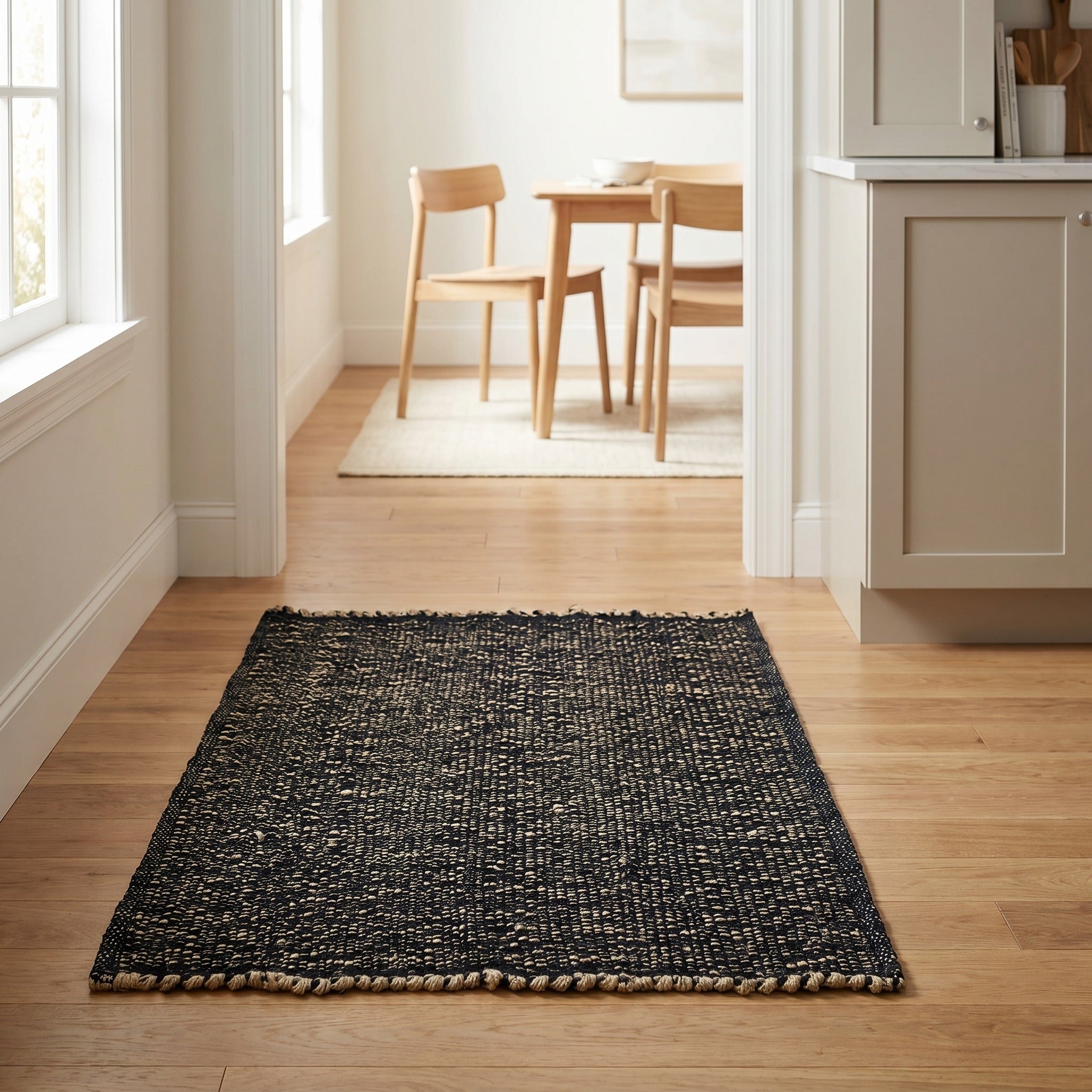
- Sink area: A 2'3" x 4' or 2'3" x 6' runner placed parallel to the counters between the sink and island is the most popular placement.
- Island or prep zone: A longer 2'6" x 8' runner running the length of a kitchen island anchors the workspace beautifully.
- Width rule: Kitchen runners typically run 24 to 30 inches wide to stay clear of cabinet doors and allow the cook to move freely. Avoid anything over 36 inches in a standard galley kitchen.
Entryway Runner Size Guide
The entryway runner sets the first impression for your whole home. It also does the hardest protective work — catching outdoor dirt before it spreads inside.
- Standard foyer: A 2'6" x 8' or 3' x 10' runner works well in a typical entry corridor.
- Proportional rule: The runner should span at least two-thirds of the entryway's length and sit within 12 inches of the side walls on each side.
- Mudroom or narrow entry: A 2' x 6' is often sufficient — long enough to catch dirt at the door, narrow enough to leave room to remove shoes on either side.
What Materials Work Best for Washable Runners?
Not all fibers survive the washing machine equally well. Here's how the most common runner materials compare:
Polyester Microfiber — Best Overall
Polyester is the top choice for washable runners in high-traffic zones. It resists stains, dries quickly, and holds color through dozens of wash cycles. The microfiber variation adds a plush, velvety feel without adding bulk that would prevent even drying. Most premium machine washable collections — including the popular Cartagena and Jaipur collections at Super Area Rugs — use solution-dyed polyester microfiber for exactly this reason.
Cotton Flatweave — Best for Light-Traffic & Easy Drying
Cotton runners are breathable, lightweight, and genuinely soft underfoot. The flatweave construction means they dry faster than any pile rug and fit standard home washing machines without issue. They do show wear faster than polyester in very high-traffic zones. Cotton braided runners from the Super Area Rugs farmhouse collection are a great choice for kitchens and secondary hallways.
Polypropylene / Indoor-Outdoor — Best for Entryways & Mudrooms
Polypropylene is inherently moisture-resistant and stain-repellent, which makes it ideal for entryways and mudrooms that face wet shoes and tracked dirt. It doesn't absorb water, so it tolerates hosing off or machine washing well. The tradeoff: it's not as soft underfoot as polyester or cotton.
What to Avoid in Washable Runners
- High-pile shag: Pile over 1 inch traps water and takes too long to dry thoroughly, which can cause mildew.
- Jute and sisal: Natural fibers shrink, warp, and lose their integrity when wet. These are not washable.
- Viscose/rayon: A beautiful fiber but completely unsuitable for machine washing — it shrinks and distorts badly.
How to Wash a Runner Rug at Home
One of the best things about a true washable runner is how straightforward the care process is. Here's the proper approach:
Step 1: Check the Care Tag
Even if a rug is marketed as washable, the care label is your final authority. Look for water temperature limits (most washable runners specify cold or warm — never hot) and any restrictions on spin speed.
Step 2: Shake and Pre-Treat
Before washing, take the runner outside and shake off loose debris. Pre-treat any visible stains with a gentle stain remover and let it sit for 5 minutes.
Step 3: Machine Wash on Gentle/Delicate
- Use cold or warm water — hot water can shrink fibers and damage latex backings
- Set the machine to the gentle or delicate cycle
- Use a mild, liquid detergent — avoid powder detergents that can leave residue in the pile
- No bleach unless the tag specifies it's safe
- No fabric softener — it coats fibers and reduces the rug's grip on the floor
Step 4: Dry Flat or Line Dry
Most washable runners should air dry flat or hang dry rather than go in a dryer. If the care tag permits machine drying, use the lowest heat setting with no dryer sheets. High heat can damage latex backing, cause pile matting, and shrink the rug.
How often to wash:
- Kitchen runners: Every 1–2 weeks
- Entryway runners: Every 2–4 weeks
- Hallway runners: Every 4–6 weeks, or after visible soiling
Do Washable Runner Rugs Stay in Place on Hardwood?
Slipping and sliding is the number-one complaint about runner rugs on hardwood or tile floors — and rightfully so, since an unsecured runner on a slippery surface is a real safety hazard.
Built-In Non-Slip Backing
Many modern washable runners come with a latex or rubber gel backing woven into the construction. This works well when the rug is new and provides good initial grip. The downside: latex backings can degrade over time with repeated washing, so check periodically that the backing still grips cleanly.
Separate Non-Slip Rug Pad
A separate thin rug pad placed underneath a runner is often the most reliable long-term solution. Look for a pad specifically rated for hardwood floors — rubber-and-felt hybrids grip the floor without scratching the finish. Cut the pad 1–2 inches smaller on all sides than the runner so it stays hidden.
Rug Tape
Double-sided rug tape is a good option for entryway runners where consistent placement matters. Note that adhesive tapes can leave residue on hardwood floors if left too long, so check your floor finish before using this method.
Tips to prevent slipping:
- Make sure the floor is clean and dry before placing the runner
- Vacuum and reposition the rug weekly to reset the backing grip
- Replace latex-backed runners when the backing shows wear
- For heavy-traffic hallways, choose a runner with a thick rubber backing or invest in a quality non-slip pad
Best Washable Runner Rugs for Kitchens
The kitchen runner has one job above all others: survive spills. The best kitchen washable runners share a few traits in common — low pile for easy cleanup, colorfast dyes that resist grease stains, and a non-slip backing that stays put on tile or wood.
What to look for:
- Low or flat pile (easier to sweep crumbs off)
- Stain-resistant, solution-dyed fibers (polyester microfiber or polypropylene)
- Machine washable with a quick-dry design
- Width of 24–30 inches to stay clear of cabinet doors
The dominant kitchen rug trend in 2026 leans toward warm neutrals with subtle pattern — think soft oat, warm cream, and sandy beige with transitional geometric motifs. This palette hides minor stains between washes while keeping the kitchen feeling fresh and airy.
Striped patterns are especially popular in kitchens because they visually elongate a galley layout. The Cartagena Machine Washable collection at Super Area Rugs is a standout example: a clean, soft stripe in colors like Sky Blue, Navy, Terracotta, and Ivory that transitions beautifully between farmhouse and modern kitchens. Prices start at $39.99.
Best Washable Runner Rugs for Hallways
Hallway runners take more cumulative foot traffic than any other runner placement. Every person entering or leaving the home walks over the hallway runner — often wearing shoes. This is where durability and washability matter most.
What to look for:
- Durability: tightly woven constructions and low-pile heights that resist matting
- Fade resistance: UV-stabilized fibers maintain color even in hallways that receive direct sun
- Pattern that hides traffic wear: small geometric, transitional, or traditional patterns disguise light soiling between washes better than solid colors
In 2026, hallway runners are trending toward organic, nature-inspired patterns: botanical prints, soft geometric abstracts, and classic transitional motifs in earthy tones.
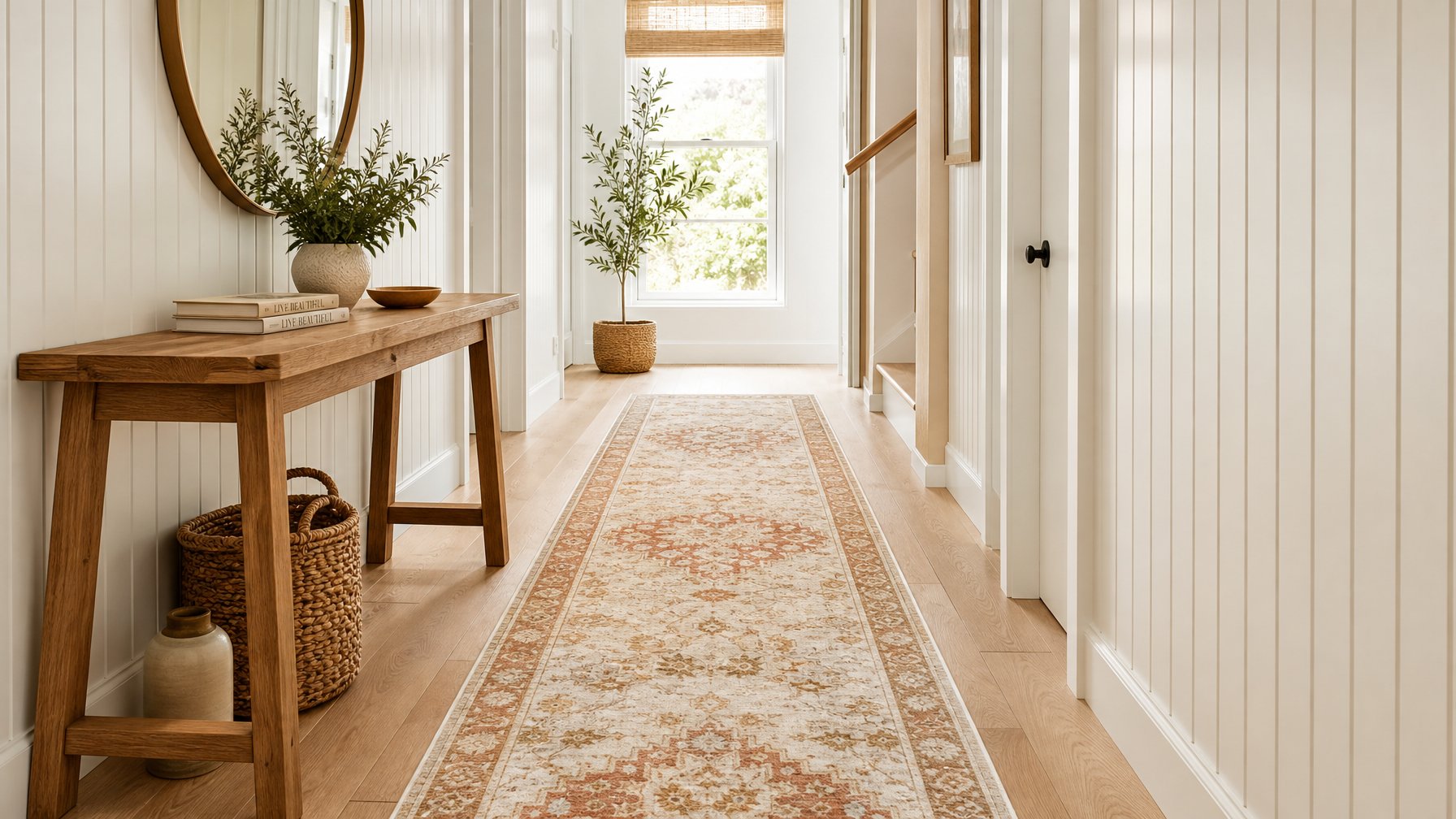
The Kathmandu Traditional collection at Super Area Rugs offers a classic sarouk medallion pattern in machine washable microfiber — available in Black, Blue, Gold, Beige, and Aloe Green. It's the kind of design that elevates a plain hallway instantly, and the machine washable feature means it holds up to daily foot traffic without the usual cleaning headache.
Best Washable Runner Rugs for Entryways
The entryway runner has the most demanding job description of all: first impression, dirt trap, style statement, and safety surface — all in one. Because entryways bear the brunt of outdoor dirt, choosing a washable runner here is essentially non-negotiable for most families.
What to look for:
- Dark or patterned colorway to mask tracked-in dirt between washes
- Durable, stain-resistant fiber — polypropylene, polyester microfiber, or cotton flatweave
- Sufficient length to span the entry space from door to the first transition (typically 6–10 feet)
- Non-slip backing — entryway surfaces are often tile or hardwood, and a sliding runner at the front door is a real safety risk
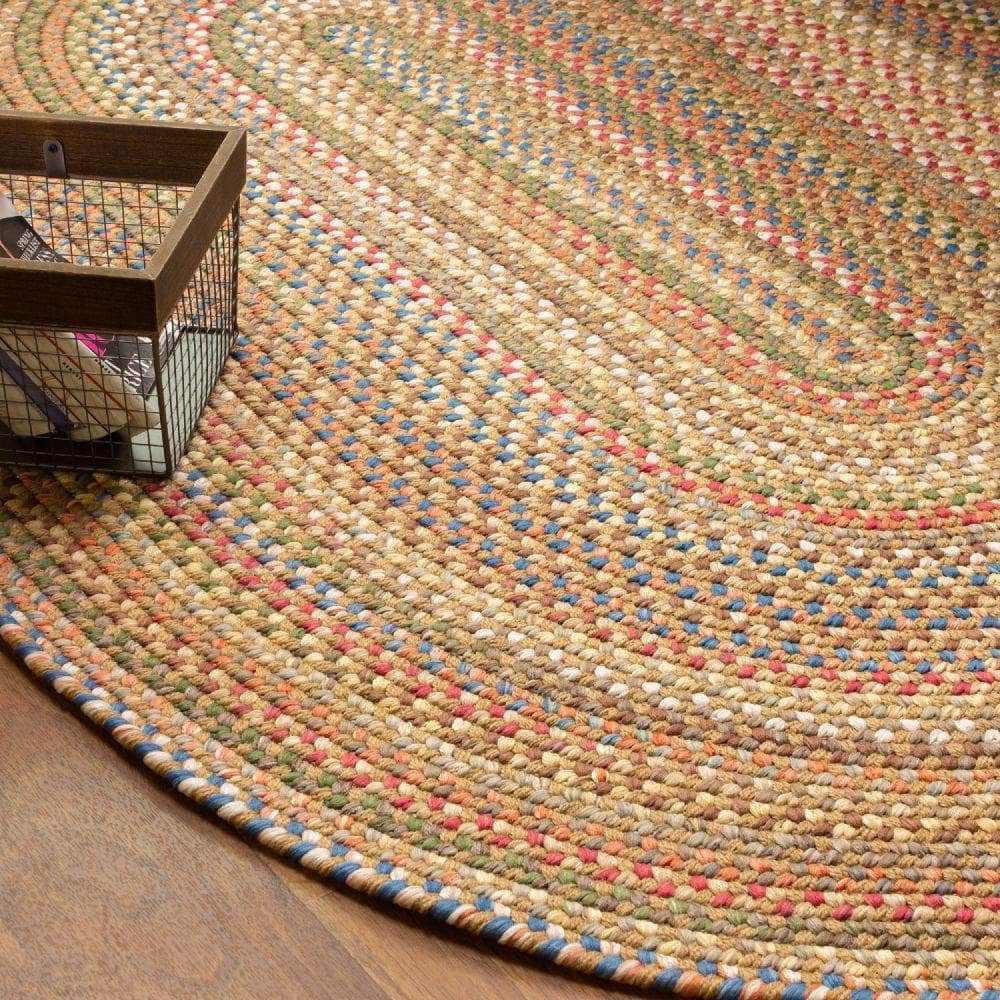
For a farmhouse entryway feel, a cotton braided runner in natural beige or earthy tones makes an exceptional choice. Super Area Rugs carries the full Waterbury Cotton Braided collection, including oval and rectangle runners that work well in entryways — all with free shipping and a 30-day return policy from superarearugs.com.
Style Trends: Washable Runner Rugs in 2026
Several clear style directions are shaping washable runner choices in 2026:
1. Warm Neutrals with Earthy Undertones Cool gray is out. Warm oat, sand, soft butter yellow, and terracotta are the dominant neutral tones this year. These earth-inspired shades complement both farmhouse and organic modern interiors.
2. Soft Texture in Flat Construction Velvety low-pile microfiber gives a plush feel without high pile depth — the sweet spot for washability and comfort.
3. Botanical and Nature-Inspired Prints Floral, botanical leaf, and organic abstract patterns are having a clear moment in 2026 runner design. They bring visual interest to narrow spaces without the rigidity of geometric patterns.
4. Classic Transitional Stripe The stripe runner remains a perennial bestseller for kitchens and hallways. In 2026, the palette leans softer — muted salmon, dusty sky blue, natural ivory.
5. Traditional Medallion in Washable Construction Traditional sarouk, Persian, and oriental medallion patterns now come in premium machine washable microfiber, making classic designs accessible to families who want the look without the delicate care requirements.
Frequently Asked Questions
Can you put a runner rug in the washing machine?
Yes — provided the rug is specifically rated as machine washable by the manufacturer. Check the care label for water temperature and spin speed restrictions. Use cold or warm water, a gentle cycle, and mild liquid detergent. Avoid hot water, bleach, and fabric softener.
How wide should a hallway runner be?
A hallway runner should leave 4 to 6 inches of floor visible on each side. For a typical 3-foot-wide hallway, a 2'3" runner is standard. For a 4-foot hallway, a 2'6" runner works well. Avoid runners that span the full hallway width — that creates a wall-to-wall carpet effect that makes narrow spaces feel cramped.
What is the best material for a kitchen runner rug?
Low-pile polyester microfiber and polypropylene are the best materials for kitchen runner rugs — both resist grease, dry quickly, and maintain color through repeated washing. Avoid jute, sisal, viscose, or high-pile shag in the kitchen.
How do I keep a runner rug from sliding on hardwood floors?
The three most effective options are: (1) a runner with a built-in non-slip rubber or latex backing, (2) a separate non-slip rug pad cut slightly smaller than the runner, or (3) double-sided rug tape or velcro anchors for permanent placement spots like entryways.
How long should a kitchen runner be?
Match the primary work zone — 4 to 6 feet for a sink-area runner; island length minus 6 inches on each end for an island runner. Most kitchen runners are 2'3"–2'6" wide and 4'–8' long.
Are machine washable rugs durable enough for entryways?
Yes — modern machine washable rugs engineered for high-traffic use are specifically designed to handle entryway conditions. Key durability indicators: solution-dyed polyester (UV and stain resistant), tight low-pile construction, and a reinforced backing.
Bring Function and Style Together
The right washable runner rug turns the three hardest-working spaces in your home — hallways, kitchens, and entryways — from maintenance headaches into stylish, easy-care features.
At Super Area Rugs, we've been helping families find the perfect rug since 2010. Our machine washable runner collection covers transitional stripes, traditional medallions, contemporary geometrics, and farmhouse flatweaves — all with free shipping and a 30-day return policy so you can order with confidence.
Browse our full machine washable rug collection and find the right washable runner for your hallway, kitchen, or entryway today.
Super Area Rugs is a family-owned importer and retailer of craft-made area rugs, operating since 2010. All machine washable rugs ship free with a 30-day return policy.