
Living Room Rugs: The Complete Guide to Size, Style & Material
Most people shop for a living room rug the way they'd shop for a throw pillow — pick a color they like, check the price, and order it. Then it arrives, and the room looks worse than before: the rug floats in the middle of the floor like an island, or it's so small the furniture seems to be tiptoeing around it. Getting living room rugs right isn't about taste. It's about size, placement, and material — in that order.
This guide walks through exactly how to pick a living room rug that actually works: the size math designers use, which furniture-placement style fits your space, and which materials hold up to the traffic a living room actually gets.
The One Mistake That Ruins Most Living Rooms
Undersizing. It's the single most common rug mistake, and it happens because people measure the empty floor instead of the furniture arrangement. A rug that only fits under the coffee table, with the sofa and chairs sitting entirely off it, visually chops the room into disconnected pieces. According to Homes & Gardens' rug-buying guide, the right size depends on your furniture layout, not just the square footage of the room — which is exactly why the same living room can call for anything from a 5x7 to an oversized 12x15.
What Size Rug Do You Actually Need?
Start with your seating arrangement, not the room's dimensions. As a baseline, leave 12–18 inches of bare floor visible between the rug's edge and the walls, and size the rug so it extends at least a few inches beyond the outermost furniture legs on each side.
Small living rooms (under 150 sq ft)
A 5x8 or 6x9 rug usually works, placed so the front legs of the sofa and chairs rest on it.
Standard living rooms (150–300 sq ft)
This is where 8x10 rugs and 9x12 rugs earn their reputation as the most popular living room sizes — both large enough to anchor a full seating group with the front legs of every piece on the rug.
Large or open-concept living rooms (300+ sq ft)
Don't be afraid to size up. Browse our large rugs (8x10 to 9x12) or, for great rooms and combined living/dining spaces, our oversized rugs (10x14 and larger) — a rug that's too big for the room is rare; a rug that's too small is the mistake you'll notice every day.
Furniture Placement: All Legs On vs. Front Legs On
There are two placement styles interior designers use for living room rugs, and either one is correct — it just depends on your room size:
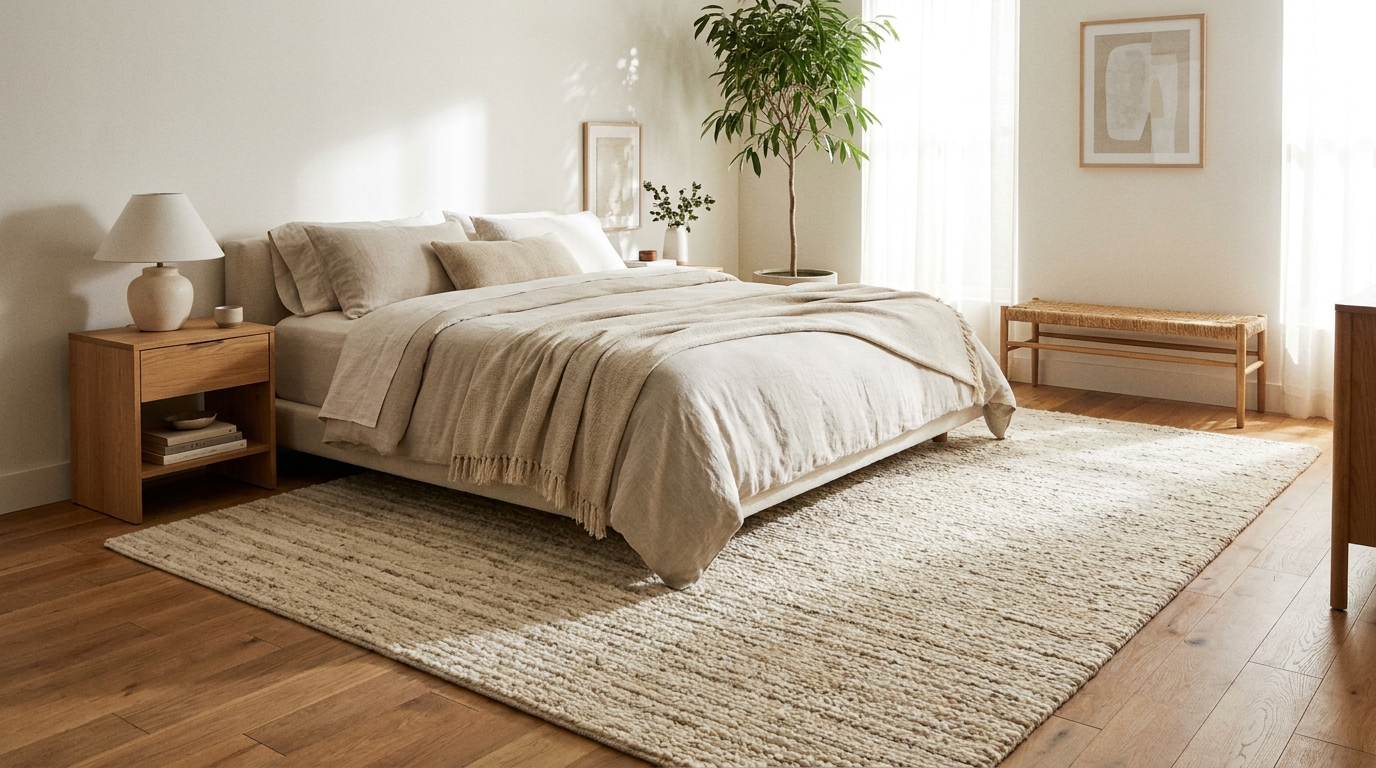
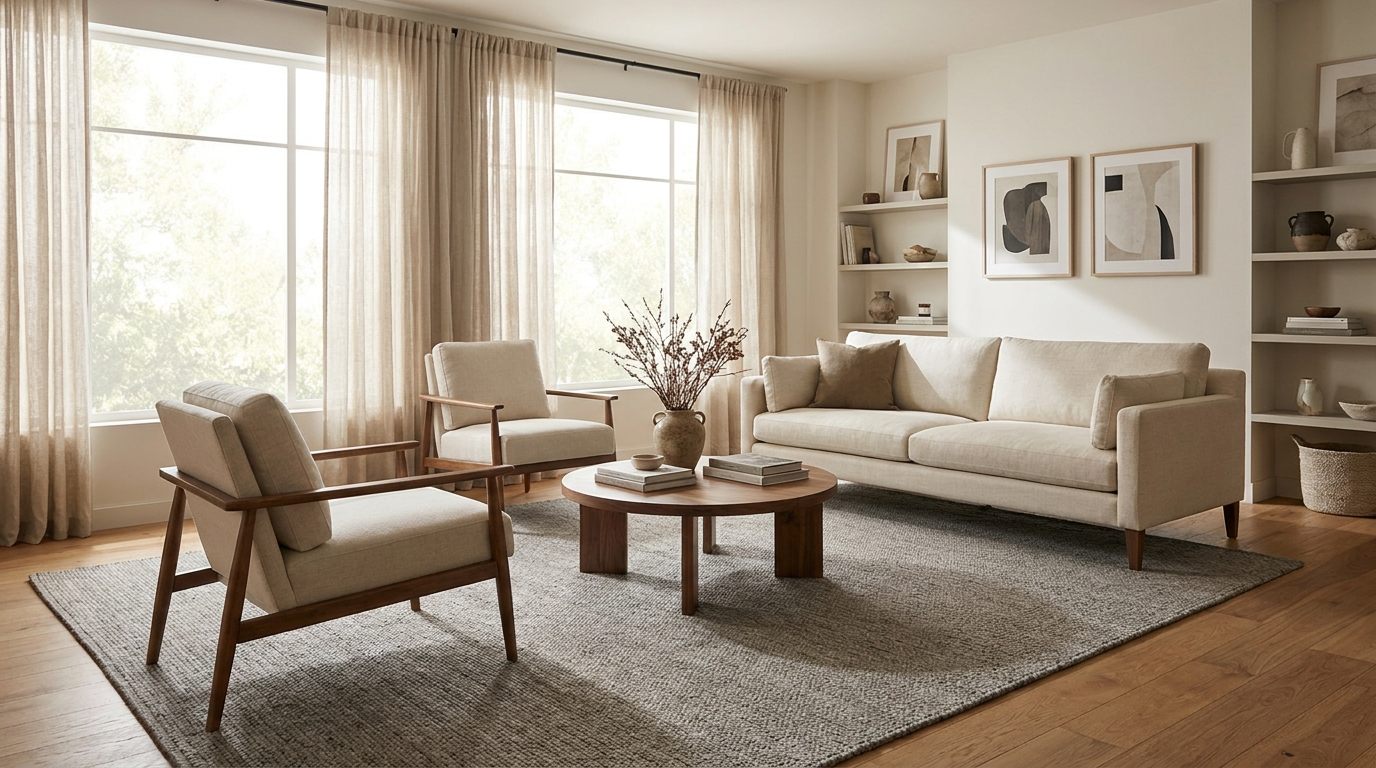
All legs on: Every piece of seating furniture sits entirely on the rug, with roughly 6–8 inches of rug showing beyond the furniture on all sides. This works best in larger rooms and creates the most cohesive, "finished" look — it's the style you'll usually see recommended for 9x12 and oversized rugs.
Front legs on: Only the front two legs of each sofa and chair touch the rug, while the back legs sit on the floor. This lets you use a smaller rug in a tighter space without the room feeling cramped, and it's the standard approach for 5x8 and 6x9 rugs.
What you want to avoid is the in-between: a rug so small that no furniture legs reach it at all. That's what makes a living room rug look like an accident rather than a design choice.
Choosing the Right Material for Your Lifestyle
Living rooms take more foot traffic, more spills, and more pet and kid activity than almost any other room in the house, so material matters as much as size.
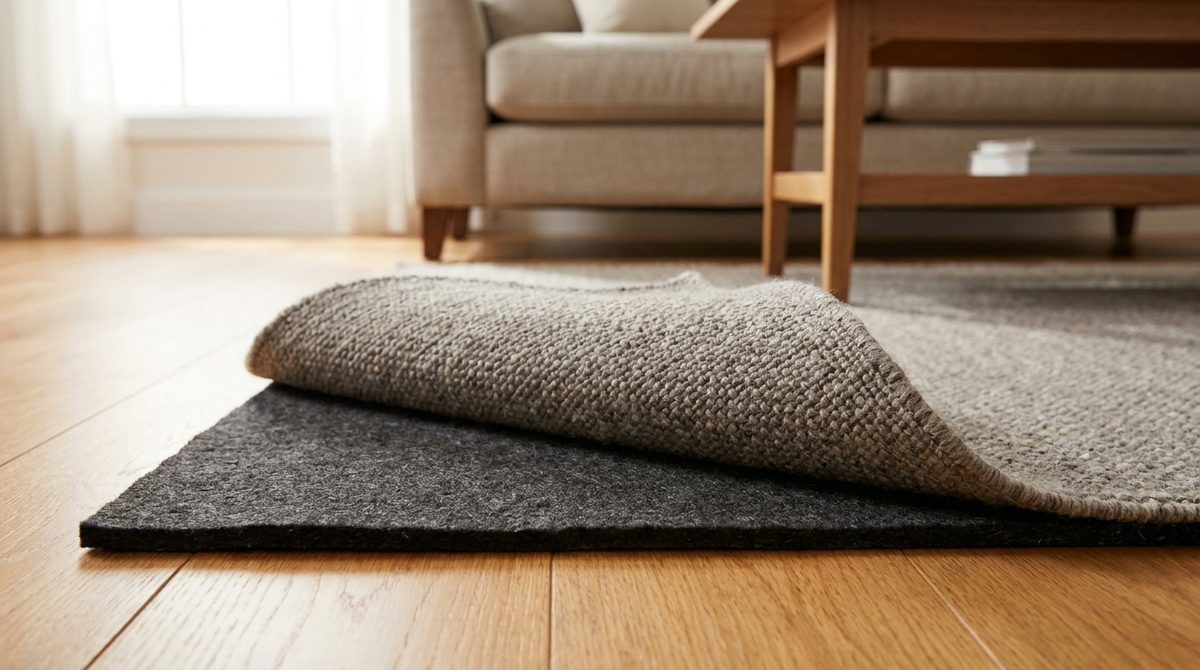
Wool is the traditional gold standard for high-traffic living rooms — it resists crushing, bounces back after furniture is moved, and naturally resists stains better than most synthetic fibers, though it costs more and typically needs professional cleaning for anything beyond a spill.
Synthetic fibers like polypropylene and nylon are budget-friendly, fade-resistant, and easier to spot-clean, making them a practical choice for busy households.
Machine washable rugs have become the default recommendation for families with kids or pets — they deliver the look of a wool or vintage-style rug but can go straight into a standard washing machine when something spills. Our machine washable rugs collection covers this without any of the sizing or style trade-offs you'd expect from a "practical" rug.
Whatever material you land on, browse the full range of options in our area rugs collection to compare pile height, fiber, and price side by side.
Shape Matters Too
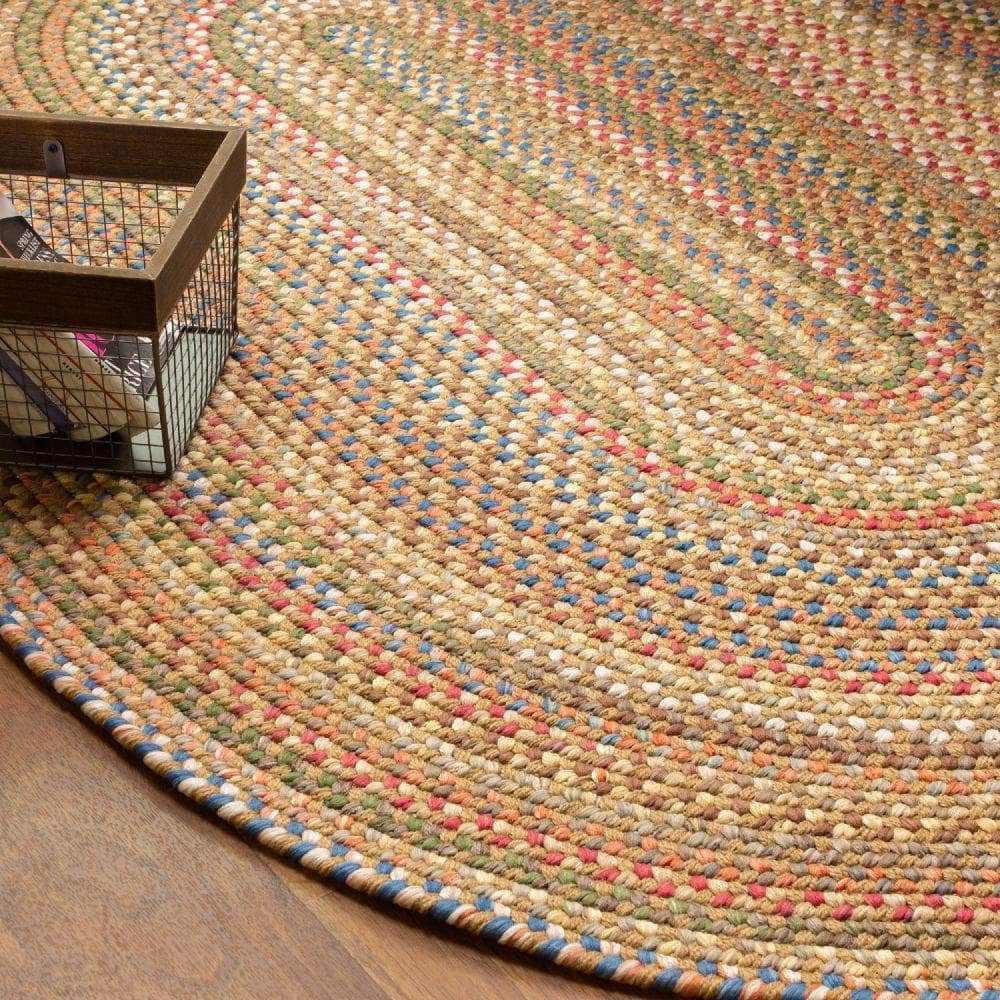
Rectangular rugs are the default for a reason — they match the geometry of most seating arrangements. But a round area rug can work well under a round coffee table, in a reading nook, or as a way to soften an otherwise boxy room full of straight-edged furniture. The same sizing logic applies: the round rug should still reach the front legs of the surrounding seating.
Color and Pattern Tips
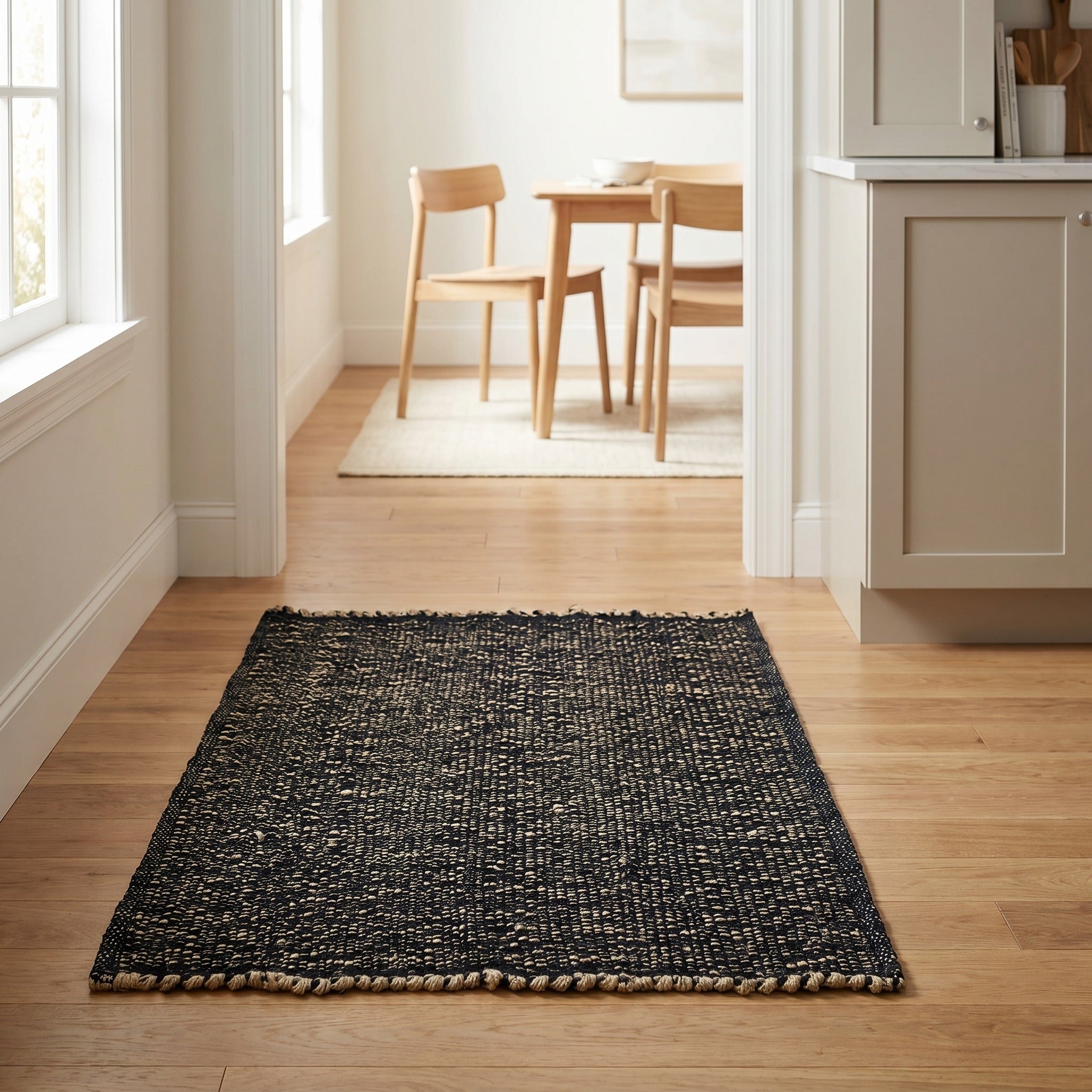
A neutral or gray area rug is the safest choice if you change up throw pillows and decor often, since it won't compete with seasonal updates. If your furniture is already neutral, a patterned or richly colored rug can be the one statement piece that keeps the room from feeling flat. As a rule, match the rug's undertone (warm or cool) to your existing wood tones and wall color so the room doesn't feel disjointed.
Caring for Your Living Room Rug
Vacuum weekly, rotate the rug every six months so foot traffic wears it evenly, and treat spills immediately by blotting from the outside of the stain inward rather than scrubbing. Consumer Reports' guide to rug care recommends a deeper clean once or twice a year for normal households, more often in high-traffic homes with kids or pets — which is exactly the scenario a washable rug is built for.
Frequently Asked Questions
What size rug should I get for my living room?
For most standard living rooms, an 8x10 or 9x12 rug is the right starting point — large enough for the front legs of your sofa and chairs to sit on it, with 12–18 inches of floor showing around the edges.
Should all the furniture legs be on the rug?
Not necessarily. In larger rooms, all legs on the rug looks the most finished. In smaller rooms, front legs on is standard and still looks intentional — the goal is just to avoid a rug that no furniture touches at all.
What's the best rug material for a living room with pets?
Machine washable rugs are the easiest option for pet owners, since accidents and shedding can be handled with a normal wash cycle instead of a professional cleaning.
Can a living room rug be too big?
It's rare. An oversized rug that leaves only a few inches of floor visible around the room's perimeter still reads as intentional. A too-small rug is the far more common — and more noticeable — mistake.
How often should I rotate my living room rug?
About every six months, so foot traffic and sun exposure wear the rug evenly instead of fading or flattening one section faster than the rest.
Final Thoughts
The right living room rug comes down to three decisions made in order: size first (based on your furniture layout, not the empty room), placement style second (all legs on or front legs on), and material last (matched to how the room actually gets used). Get those three right and the color and pattern choice becomes the easy part. Explore the full range of sizes, materials, and styles in our living room rugs collection to find the one that fits your space.